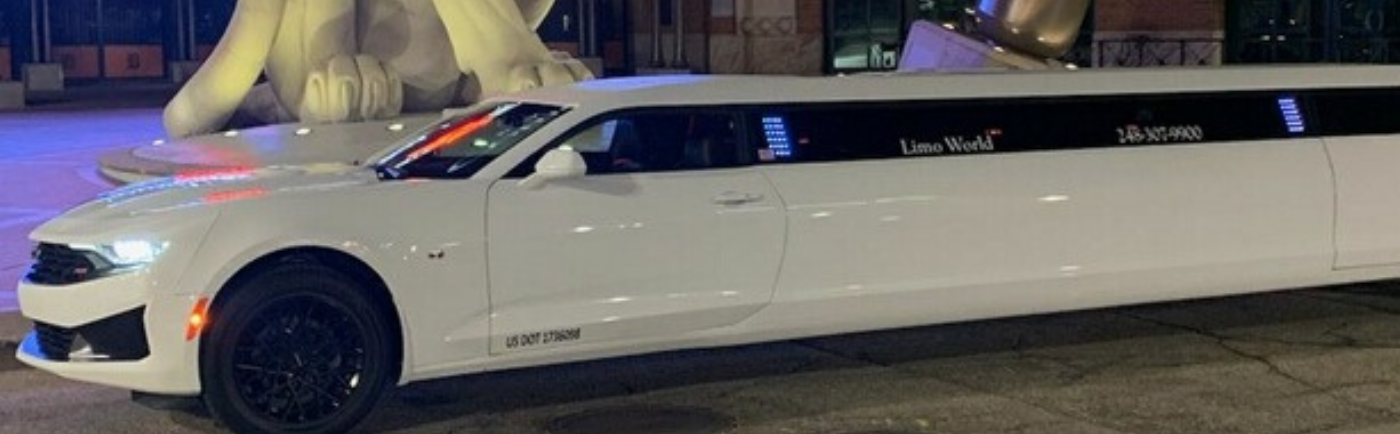

A wedding can be perfectly planned on paper and still feel rushed if people arrive in the wrong order, at the wrong entrance, or later than expected. Knowing how to coordinate wedding arrivals means treating transportation as part of the event timeline, not a final detail to settle the week before. When the wedding party, immediate family, and couple each have a clear plan, the day begins with the calm, polished feeling it deserves.
Start With the Arrivals That Matter Most
Not every guest needs a scheduled ride, but certain arrivals shape the flow of the ceremony and photos. Begin by identifying who must be where at a specific time: the couple, wedding party, parents, grandparents, officiant, and any guests with mobility needs. These are the people whose late arrival can delay the ceremony or create stress behind the scenes.
Work backward from the ceremony start time rather than setting every pickup based on instinct. If guests are asked to be seated 20 to 30 minutes before the ceremony, the wedding party typically needs to arrive earlier for final photos, touch-ups, and a quiet moment before the processional. The couple may need separate arrival times and routes, particularly if they prefer not to see each other before the ceremony.
A useful plan includes the scheduled ceremony time, the required arrival time, the estimated drive time, and a reasonable buffer. In Metro Detroit, traffic patterns, construction, weekend events, and parking conditions can all affect timing. A 20-minute drive on an ordinary afternoon may require more time when a venue is hosting several events at once.
Build a Wedding Arrival Timeline With Buffers
The best arrival schedule is not packed to the minute. It leaves room for a delayed hair appointment, a forgotten garment bag, a slow elevator, or a photo stop that runs longer than planned. Buffers do not make the day feel slow. They protect the moments that should not feel hurried.
For the wedding party, plan to arrive at the ceremony venue 30 to 45 minutes before guests are expected to be seated. That gives the coordinator, photographer, and chauffeur time to confirm everyone is present and positioned correctly. If photos are taking place at a separate location, add time for loading and unloading, not just the drive itself.
For parents, grandparents, and VIP family members, an earlier arrival is usually wiser than a precisely timed one. They may need help entering the venue, finding their seats, or greeting close friends. A reserved chauffeured vehicle can be especially valuable here because it removes parking, walking distance, and navigation from the equation.
The couple’s arrival deserves its own plan. If the couple is traveling separately, designate which person arrives first, where each vehicle will wait, and who will communicate with the venue contact. If the couple is traveling together after a first look or photo session, schedule a discreet arrival point that keeps the transition private and organized.
Assign One Person to Own Transportation Details
A wedding day should not require the couple to answer calls about a missed turn or an unclear pickup location. Choose one transportation point person, such as a planner, trusted family member, maid of honor, best man, or venue coordinator. That person should have the full schedule, passenger lists, venue contacts, and chauffeur details.
This role is not about managing every guest. It is about making decisions quickly if something changes. If a member of the wedding party needs to leave earlier, if a pickup address changes, or if a ceremony entrance is temporarily blocked, one informed contact can solve the issue without drawing the couple away from the day.
Share the final transportation plan with everyone involved at least a few days before the wedding. Keep it simple: pickup time, pickup address, vehicle assignment, and a reminder to be ready before the scheduled time. People are much more likely to be on time when they understand that the vehicle is operating on a group schedule.
Match the Vehicle Plan to Each Group
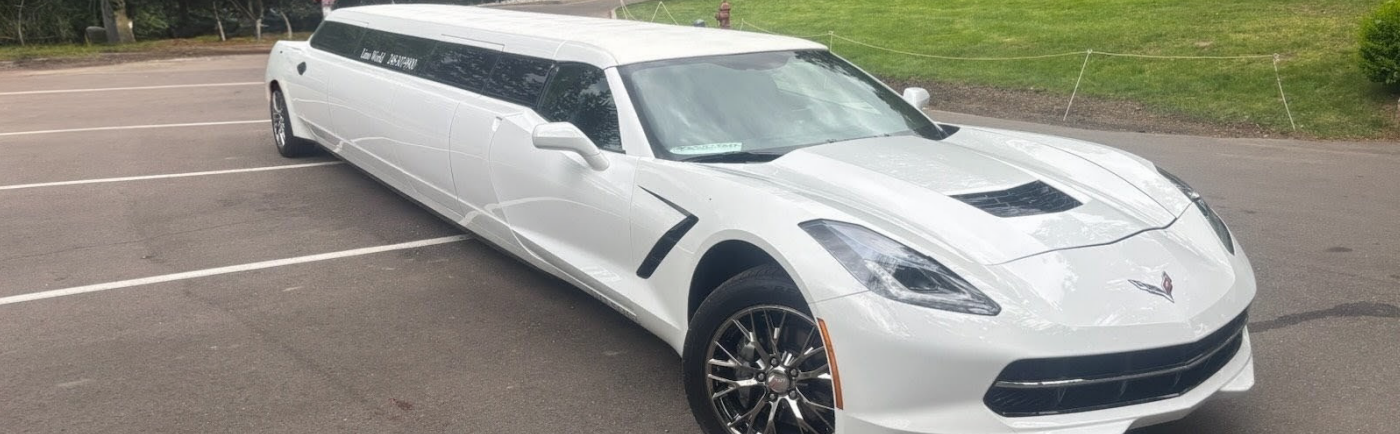
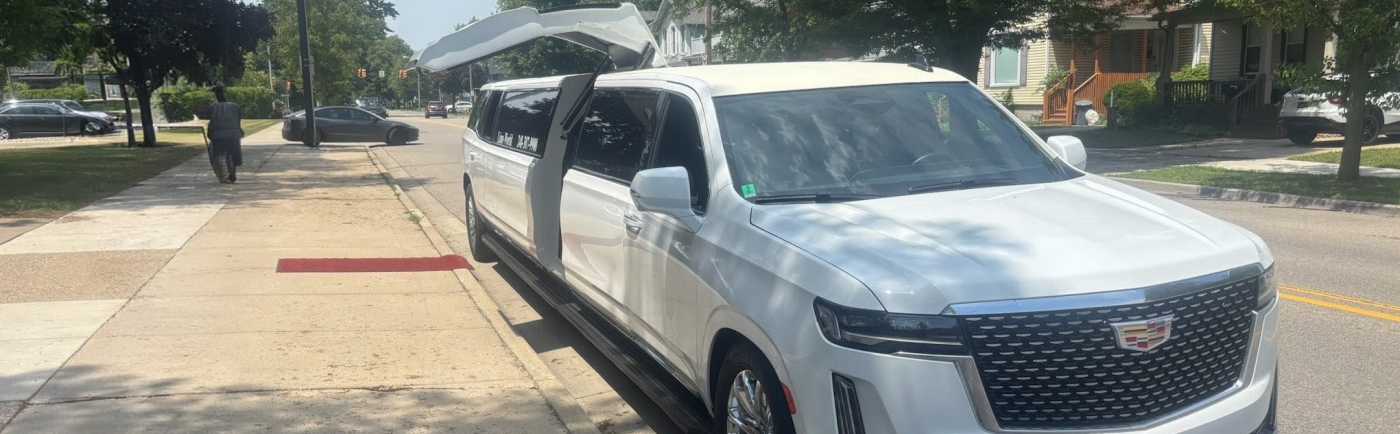
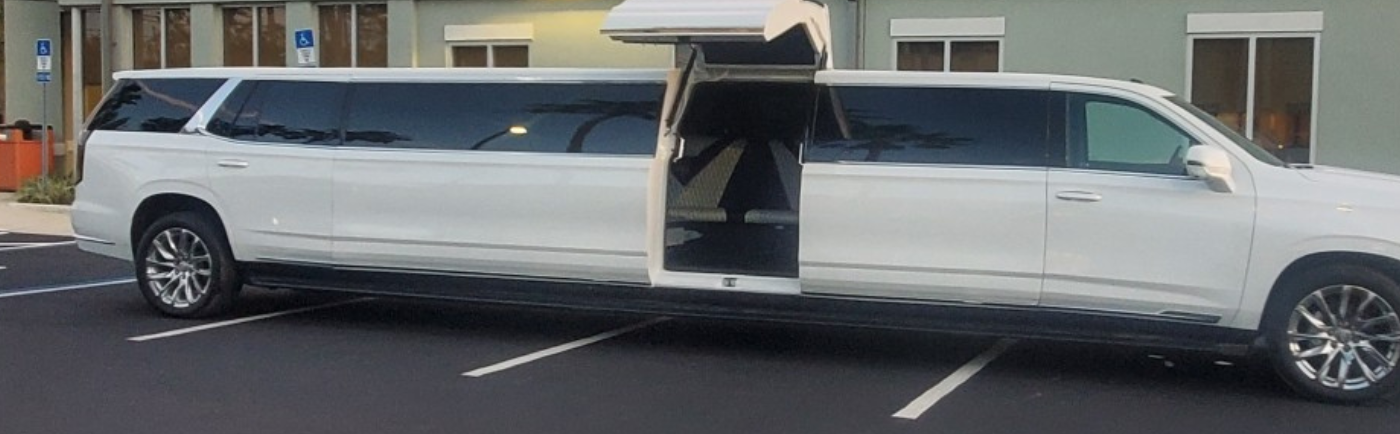
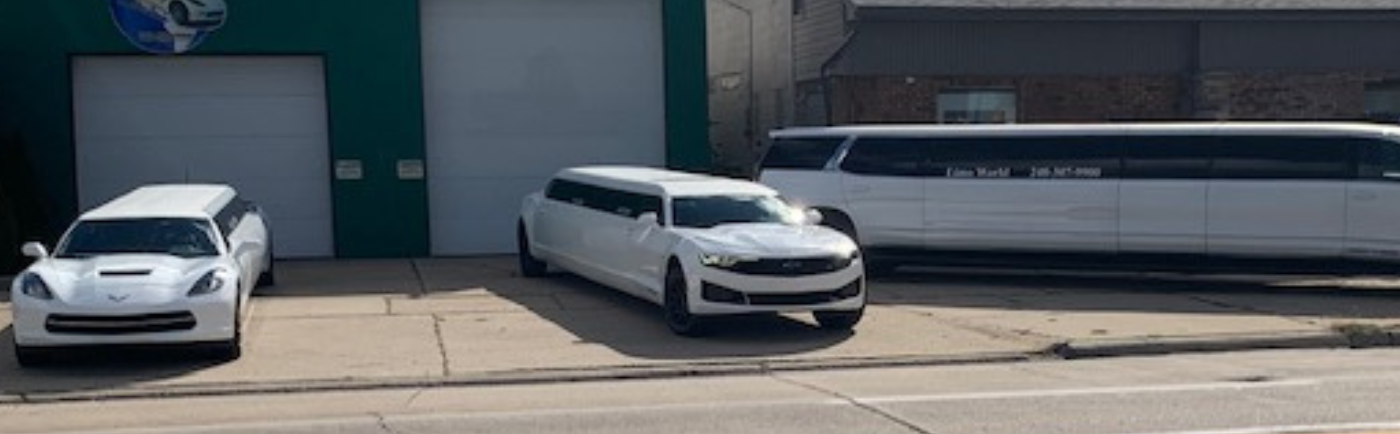
A single vehicle is not always the most elegant or practical answer. The right arrangement depends on the size of the wedding party, the number of stops, attire, and whether the couple wants a private departure. A larger vehicle can keep a wedding party together and preserve the energy between photos, the ceremony, and the reception. Separate vehicles can make sense for parents, older relatives, or couples who need a quieter ride.
Consider clothing and comfort as carefully as passenger count. Formal gowns, bouquets, suits, and personal items take up space. A vehicle that technically seats a group may not feel comfortable once everyone is dressed for the occasion. Leaving room for garment bags, flowers, and a few essential items makes the ride more relaxed and helps guests arrive looking composed.
For a wedding with multiple locations, prearranged chauffeured transportation also creates continuity. The group does not have to split between personal cars, search for parking, or wait for late arrivals before moving to the next stop. A professional chauffeur follows the agreed itinerary, allowing the wedding party to focus on the celebration rather than directions.
Confirm Venue Access Before the Wedding Day
The venue should know exactly how vehicles will arrive and where they can stage. Ask whether there is a designated drop-off point, a separate entrance for the wedding party, a loading area, or restrictions on how long a vehicle may wait. This matters especially at downtown venues, hotels, historic properties, and locations with limited curb space.
Also confirm the path from the vehicle to the ceremony space. A long walk across a parking lot may be inconvenient for grandparents or difficult in formal footwear. If rain is possible, identify a covered drop-off option and decide who will handle umbrellas or escorts. Small details like these are often what make an arrival feel cared for rather than improvised.
Your transportation provider should receive complete venue information in advance, including the address, preferred entrance, event contact, pickup locations, and timing for each stop. A professional service can prepare more effectively when it understands the occasion rather than receiving only a single destination.
Plan for Guests Without Over-Planning Everyone
Most guests will make their own way to the ceremony, and that is usually appropriate. What they need is accurate information: the ceremony start time, the recommended arrival window, parking guidance from the venue, and any instructions for a difficult-to-find entrance. Include these details on the wedding website or in a pre-event message.
Reserved rides are most helpful for groups with a specific need. That may include close relatives staying together, elderly family members, a wedding party traveling between venues, or friends attending a celebration where no one should need to drive afterward. The goal is not to control every arrival. It is to make sure the people who matter most have dependable, comfortable transportation.
If you are arranging transportation for a group, avoid vague instructions such as “be ready around 2:00.” Give a firm pickup time and ask passengers to be waiting a few minutes early. Chauffeured service works best when the itinerary is clear and the group respects the schedule.
Keep the Departure in View, Too
Wedding arrivals get most of the attention, but a thoughtful departure plan helps the entire day feel complete. Decide whether the couple will leave from the reception in a private vehicle, whether the wedding party needs transportation back to a hotel or gathering point, and whether older relatives should depart before the evening becomes busy.
A Limo World can help couples and planners create a reserved transportation schedule that supports the ceremony, photos, reception, and final departure with the same level of care. The benefit is not simply getting from one location to another. It is knowing that the people and moments you have planned around will move on time and arrive with the presentation the occasion calls for.
A well-coordinated arrival does not call attention to itself. It gives everyone the gift of starting the celebration settled, present, and ready to enjoy what comes next.