
A group of eight can fit into more than one vehicle, but that does not mean each choice will feel right on the night. Limo passenger capacity is about more than the maximum number of people a vehicle can legally carry. It affects personal space, entry and exit, attire, onboard comfort, and whether your transportation feels like a polished part of the occasion or one more detail to manage.
For a wedding party in formalwear, a client dinner with senior guests, or a celebration that involves multiple stops, choosing the right vehicle size protects the experience you are planning. A professional reservation should begin with the real group count, then account for the way that group will travel.
Limo Passenger Capacity Is Not Just a Number
Vehicle listings often show a passenger maximum, but the most useful question is usually, “How comfortably will our group ride?” A stated capacity reflects the available approved seating. Comfort can change based on the vehicle layout, the number of adults in the party, what everyone is wearing, and how long the group will be together in the vehicle.
A capacity that works well for a short ride across town may feel close for a longer evening itinerary. The same is true when guests are wearing gowns, suits, coats, or other formal attire that needs room to stay presentable. If people will be stepping in and out at a ceremony, dinner, photos, and an evening venue, a little additional room can make the entire schedule easier.
There is also a practical distinction between a vehicle that holds a group and a vehicle that serves the group well. Premium transportation should give guests the space to settle in, speak comfortably, and arrive composed. When the trip is part of the celebration, comfort deserves a place in the planning conversation.
Typical Capacity by Vehicle Style
Exact seating varies by vehicle, model, and configuration, so the reservation team should always confirm the capacity for the specific vehicle being considered. Still, understanding common categories makes it easier to begin narrowing the options.
Luxury Sedans and Executive SUVs
A luxury sedan is generally best for one to three passengers who want a quiet, refined ride. It is a strong fit for an executive, a couple attending a special dinner, or a small party that values privacy and a polished arrival.
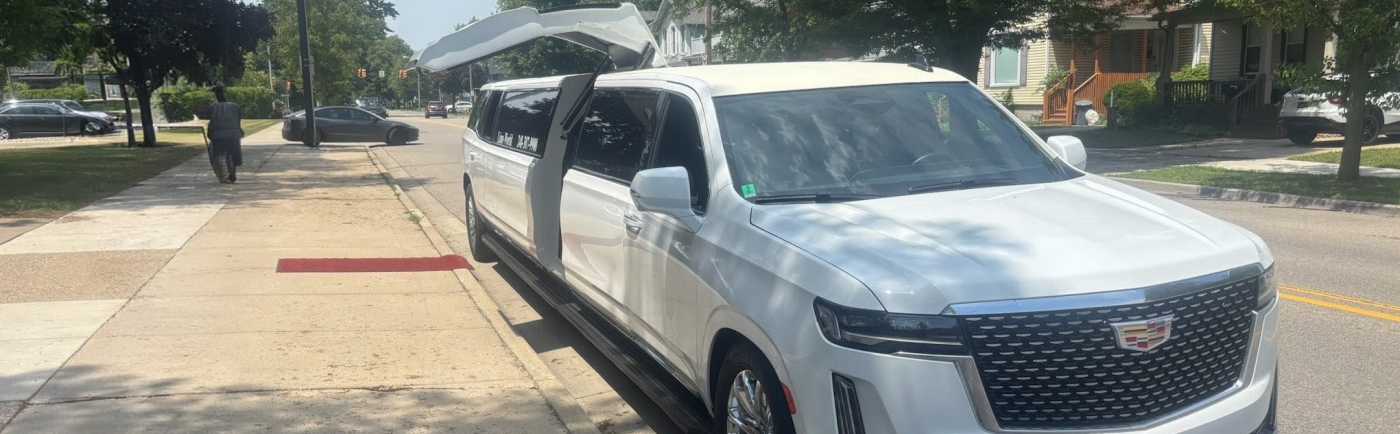
An executive SUV often gives small groups more flexibility, commonly accommodating several passengers with a more spacious cabin. It can be a practical choice for a family celebration, a business group, or guests who prefer easier entry and a more relaxed seating arrangement. For groups at the upper end of an SUV’s listed seating, ask whether everyone will be carrying personal items or wearing formal clothing.
Stretch Limousines
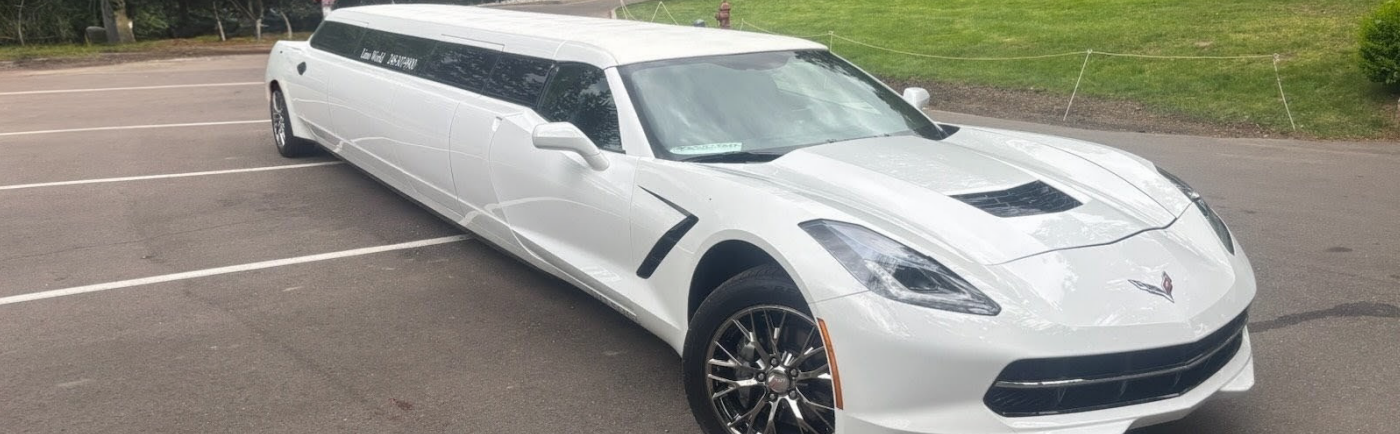
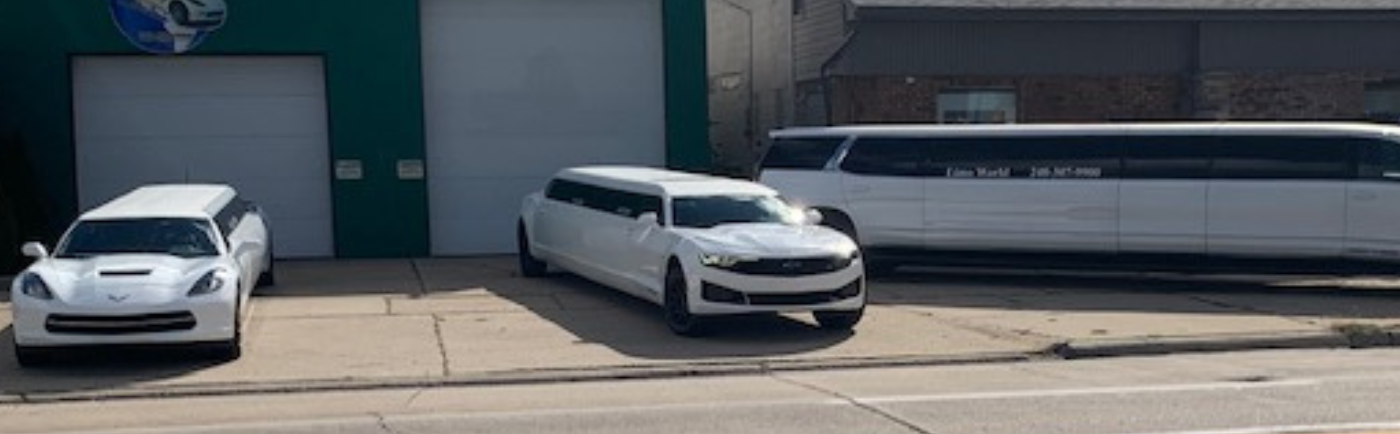
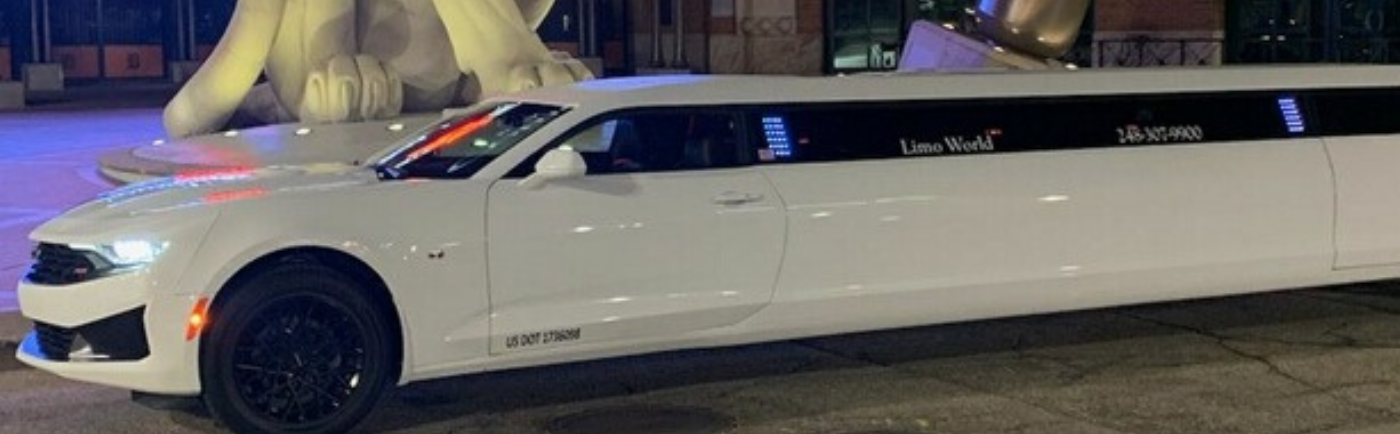
Stretch limousines are designed for guests who want the classic limousine setting: a chauffeur-led arrival, social seating, and a vehicle that feels appropriate for a milestone. Depending on the model, a stretch limo may be suited to a mid-sized group.
This category is especially popular for weddings, proms, graduation celebrations, anniversary dinners, and nights out because the group can remain together. Yet a stretch limousine should not be selected by headcount alone. A party of six may prefer the openness of a larger cabin, while a group close to the stated maximum may be more comfortable splitting between two vehicles or choosing a larger format.
Vans, Sprinters, and Larger Group Vehicles
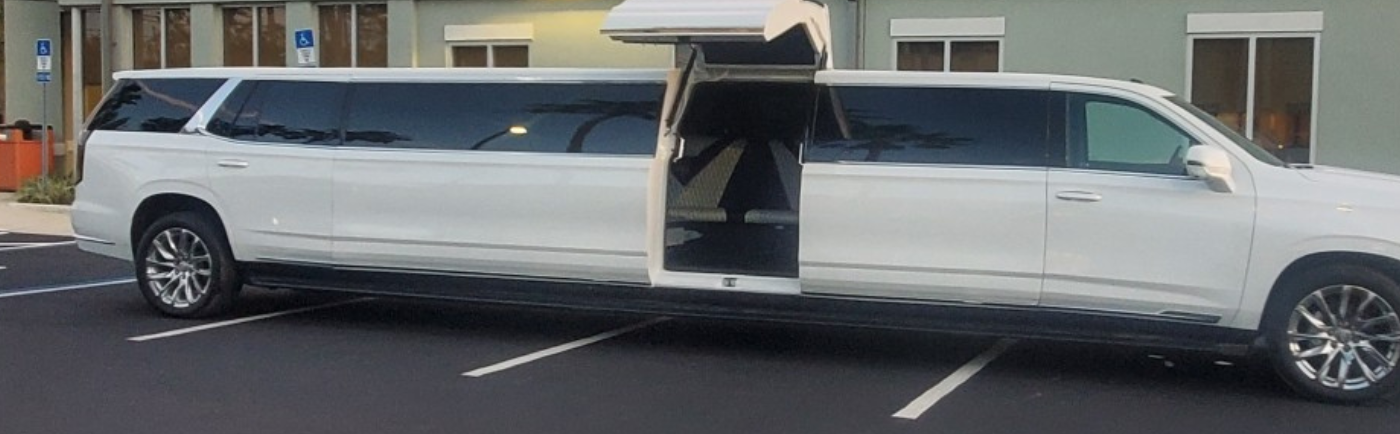
For larger parties, a luxury van or Sprinter-style vehicle can offer a more practical balance of group coordination and individual comfort. These vehicles are often well suited to corporate transportation, wedding guest groups, extended families, and celebrations where keeping everyone together matters.
Larger group vehicles are not interchangeable. Seating direction, aisle space, door access, and interior configuration all influence the experience. A vehicle that is ideal for a team traveling to a dinner may not be the best choice for a group of guests in floor-length formalwear. Describe the occasion when you request a quote, not simply the number of seats you need.
How to Choose the Right Capacity for Your Occasion
Start with a final passenger count, rather than an estimate. It is tempting to reserve based on the people who have already confirmed, but transportation becomes difficult when late additions leave no approved seat available. Every passenger needs a proper seat. No one should plan to stand, squeeze into an unapproved position, or travel outside the vehicle’s designated capacity.
Next, consider the purpose and pace of the ride. A short point-to-point transfer may allow a group to book closer to the vehicle’s maximum. A wedding day, multi-stop celebration, or corporate itinerary usually benefits from more room. Extra space supports an easier entrance, protects formal attire, and gives guests a more relaxed experience between stops.
It also helps to think through these details before reserving:
- the exact number of adults and children traveling
- formalwear, coats, gifts, or personal items that need cabin space
- the number of planned stops and how often guests will enter and exit
- whether all guests need to travel together at the same time
- any mobility needs that may affect vehicle access or seating
These details are not minor. They help a chauffeur service recommend a vehicle that matches the group rather than forcing the group into a vehicle that only works on paper.
When Two Vehicles Are the Better Choice
Keeping everyone in one vehicle can be convenient, but it is not always the most comfortable or efficient plan. Two coordinated vehicles may be a better choice when the group is near the maximum capacity, when different guests have separate pickup points, or when the occasion includes people with different schedules.
For example, a wedding party may travel in one vehicle while immediate family travels in another. This preserves a coordinated arrival without asking every guest to follow the same timeline. For corporate events, separate vehicles can allow executives and attendees to depart from different locations while still arriving according to the same schedule.
Two vehicles can also improve the guest experience when the group includes a range of ages or needs. A quieter vehicle may suit family members or business guests, while a more celebratory vehicle suits the main party. The right arrangement depends on the event, not on an assumption that one large vehicle is always best.
Capacity, Safety, and Professional Service
The capacity confirmed on your reservation should be treated as firm. Licensed chauffeured transportation is planned around vehicle seating, safety requirements, and a driver’s ability to provide an orderly experience. Adding extra passengers at pickup can create delays and may require last-minute changes that affect the itinerary.
Clear communication avoids that problem. If the count changes, notify the transportation provider as early as possible. A reservation team may be able to recommend a larger vehicle, add another vehicle, or adjust the plan before the day of service. Waiting until guests are gathered at the door leaves fewer good options.
For planners, this is one reason professional chauffeured service matters. The transportation plan is not simply a car and a driver. It is a coordinated part of the event, built around timing, guest comfort, and the standard of arrival you want to provide.
Questions to Ask Before You Reserve
A well-planned booking conversation should be straightforward. Share your pickup area, destination schedule, group size, and the type of occasion. If you are arranging transportation in Hazel Park, Detroit, Royal Oak, Birmingham, or elsewhere in the Metro Detroit area, include all scheduled stops so the service can plan the right vehicle and timing.
Ask for the capacity of the specific vehicle, not just the general vehicle category. Confirm whether the listed number represents all available passenger seats, and explain if guests will be dressed for a formal event. If your count is close to the limit, ask what vehicle option would give the group more room.
Also confirm who will be the day-of contact, especially for weddings and business events. One designated person can communicate final changes, help keep pickups organized, and make sure the chauffeur has the information needed to deliver a smooth, professional experience.
The best vehicle is not necessarily the largest one available. It is the one that gives your guests appropriate space, supports your itinerary, and makes stepping out at the venue feel as considered as every other detail of the occasion.