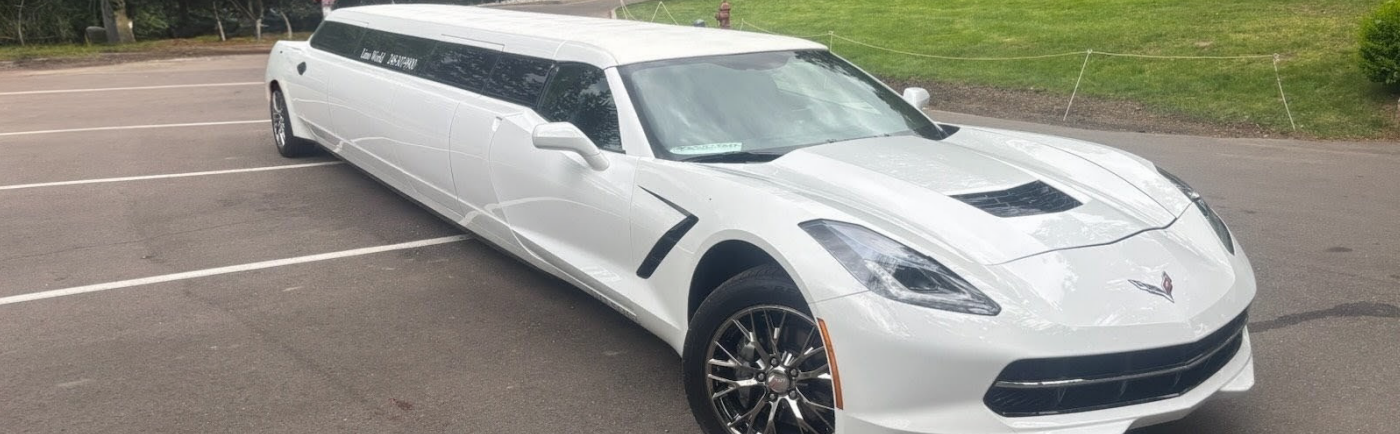
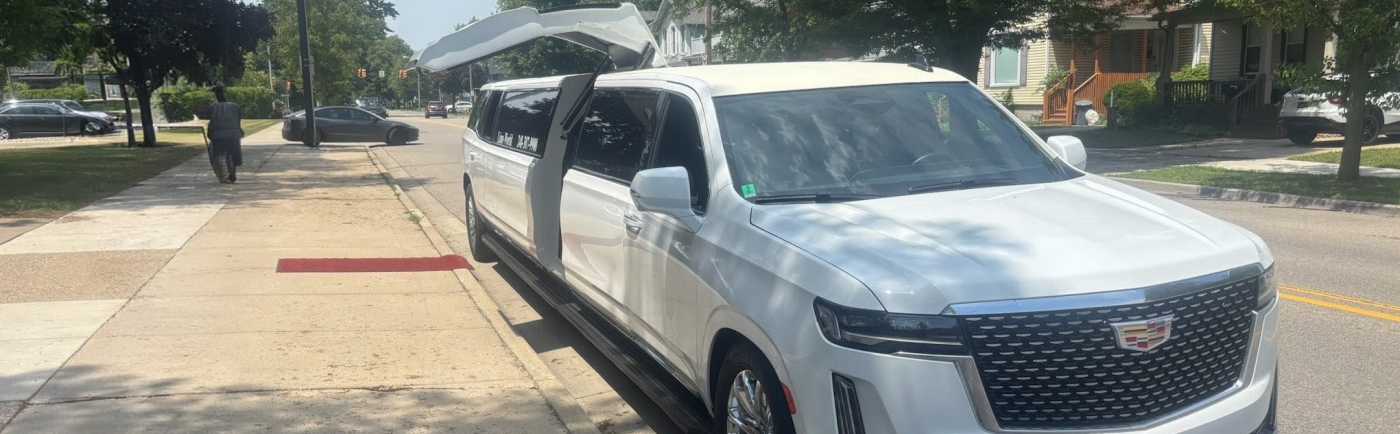
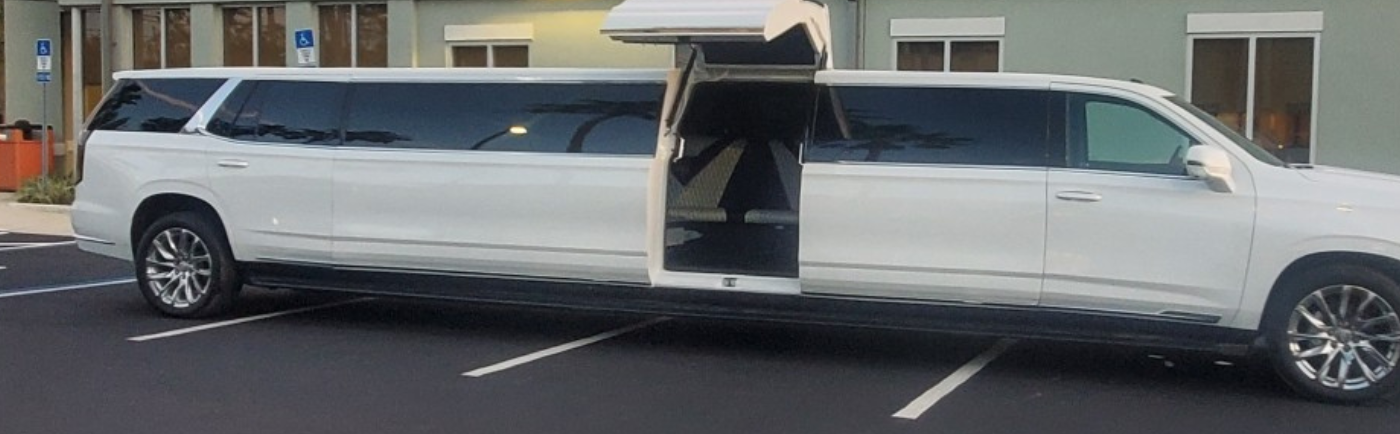
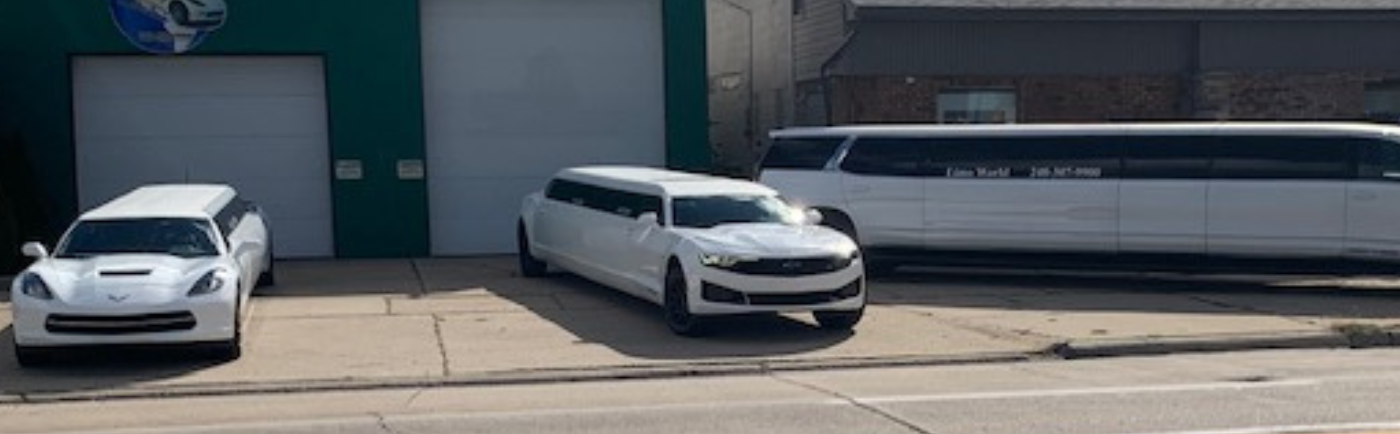


A group can be dressed, on time, and ready for a memorable evening, yet the plan can still unravel at the curb. One guest is waiting at the wrong entrance, another is finishing a drink upstairs, and the driver has nowhere safe to stop. Learning how to plan group pickup means handling those details before the vehicle arrives, so transportation feels like part of the occasion rather than the first problem of the night.
For a wedding party, client dinner, prom group, milestone celebration, or corporate event, a chauffeured ride keeps everyone moving together with a more polished arrival. The key is not creating a complicated itinerary. It is giving the chauffeur and passengers one clear plan: who is riding, where they will be ready, and when the vehicle needs to move.
Start With the Real Passenger Count
Your vehicle choice should reflect the people who will actually ride, not the number originally invited. Confirm the final headcount a few days before service, including children, plus-ones, and anyone joining after the first stop. A vehicle that appears spacious in photos may feel less comfortable once formalwear, handbags, coats, gifts, or celebration items are added.
Be realistic about comfort. A close group heading to a short dinner may be happy sharing a vehicle at its stated capacity. For a longer evening, a wedding party in full attire, or a corporate group hoping to speak privately on the way, extra room can make a noticeable difference. The goal is to keep the group together without making the ride feel crowded.
If the group is larger than one vehicle can comfortably accommodate, decide early whether to reserve multiple vehicles or create separate pickup routes. Splitting people at the last minute often leads to late arrivals and confusion about who is responsible for each group.
Choose One Pickup Plan, Not a Chain of Guesses
The simplest pickup is one location where every passenger is ready at the same time. For a birthday dinner in Detroit, for example, that could be a home, hotel entrance, restaurant, or agreed-upon central meeting point. One pickup reduces travel time, makes the schedule easier to protect, and lets everyone begin the occasion together.
Multiple pickups can be worthwhile when there are mobility concerns, a family member needs door-to-door convenience, or guests are spread far apart. The trade-off is time. Every additional stop adds driving time, waiting time, and the possibility that someone will not be ready when the vehicle arrives.
When several pickups are necessary, arrange them in a logical geographic order rather than trying to accommodate every preference. Share the order with passengers so no one assumes the chauffeur will arrive at their door first. For each address, provide the full street address, building name if applicable, gate or entry instructions, and the best place for the vehicle to pull in safely.
Large venues deserve special attention. A ballroom, stadium-area restaurant, theater, or downtown hotel may have several entrances, restricted lanes, valet activity, or heavy pedestrian traffic. “Meet out front” is not specific enough. Identify the exact entrance, describe it in plain language, and select a backup meeting point in case the curb is blocked.
Build Time Around the Occasion
A pickup time is not the same as an arrival time. If guests need to be seated at 7:00 p.m., work backward from the time they should be at the venue, then allow for the drive, loading passengers, traffic, and a reasonable buffer. For formal events, add time for photos, last-minute wardrobe adjustments, and the natural delay that comes with gathering a group.
It also helps to distinguish between three times: the vehicle arrival time, the passenger ready time, and the departure time. The chauffeur may arrive at 6:15, passengers may be asked to be at the pickup point by 6:20, and the vehicle may depart at 6:30. That structure gives the group a clear expectation without pressuring the driver to make up for avoidable delays.
For celebrations with several stops, list them in order with approximate departure times. A dinner reservation, photo location, show, and late-night gathering can all fit into one plan when each stop has a purpose and a realistic window. Avoid treating the chauffeur as if they can predict how long every guest will take. A schedule with modest breathing room is more enjoyable than one that requires rushing at every door.
Account for wait-and-return service
Some events need one-way transportation. Others need the chauffeur to remain available between stops or return at a fixed time. Decide which arrangement fits the evening before making the reservation.
Wait-and-return service offers flexibility for a group that may leave dinner early, extend a celebration, or need transportation after an event ends. A fixed return pickup can be a sensible choice when the end time is firm. What matters is stating the plan clearly, including where the group should meet when it is time to leave.
Assign One Point Person
A group pickup should have one organizer who can make decisions and communicate with both the passengers and the transportation provider. This does not mean that person has to manage every guest. It means the chauffeur has a reliable contact if an entrance changes, a passenger is delayed, or a venue asks the vehicle to use another curb.
Give the point person a passenger list, itinerary, and reservation details. They should know the pickup location, scheduled time, vehicle capacity, major stops, and any special instructions. For a corporate booking, this is often an executive assistant or event coordinator. For a wedding or celebration, it may be a best friend, family member, or member of the planning team.
Passengers should also know who the point person is. Sending one brief group message on the day of service prevents a stream of separate questions. Include the ready time, exact meeting location, and a reminder that the vehicle will depart according to the planned schedule.
Share the Details That Improve Service
A professional chauffeur can provide a better experience when the reservation includes useful context. Mention formalwear, mobility needs, a wheelchair or other equipment, young passengers, multiple luggage-sized items, or a planned toast or photo stop. These details affect vehicle selection, loading time, and how the pickup is handled.
The same is true for access. Let the provider know if the pickup is inside a gated community, at a condominium with a narrow drive, or near a venue with limited curb space. In communities across Metro Detroit, winter weather can also affect driveways, curb conditions, and walking paths. A clear, accessible pickup area helps guests board safely and helps the chauffeur keep the schedule on track.
Do not rely on a vague note such as “call when close” as the entire communication plan. A call or text can be useful, but it should support a confirmed itinerary, not replace one. The more specific the reservation information, the less your group must solve in real time.
Plan for the Guests Who Run Late
Nearly every group has a person who underestimates how long it takes to get ready. Address that possibility before the event with a firm ready time and a simple expectation: the group departs when scheduled. This is not about being inflexible. It is about respecting the reservation, the other passengers, and the event waiting at the other end.
If someone may be delayed, decide in advance whether they should meet the group at the next stop or arrange separate transportation. Holding a full vehicle for one person can put everyone else behind schedule. There are exceptions, of course, especially for a guest of honor or someone who needs assistance. The point person should be prepared to make that call quickly.
It is wise to keep the first few minutes after pickup uncomplicated. Have passengers ready to board, avoid searching for missing items at the curb, and confirm that everyone expected is present before departure. A calm start sets the tone for the entire ride.
Confirm the Plan Before Service Day
A final review the day before is one of the most valuable parts of group coordination. Confirm the passenger count, pickup address, pickup and departure times, route or planned stops, point-person phone number, and return arrangement. If there have been changes, communicate them through the reservation contact rather than assuming a different passenger has passed them along.
A Limo World can help shape a transportation plan around the rhythm of your event, whether that means one elegant pickup or a multi-stop evening. The best reservations are specific enough to support professional service while remaining flexible where the occasion calls for it.
When the doors open, your guests should know exactly where to be and feel ready to enjoy the ride. That confidence is what turns group transportation into a composed, comfortable beginning to the event.