

A retreat can lose momentum before the first session begins. One executive is circling for parking, two attendees arrive late after taking separate routes, and a visiting client is left waiting outside an unfamiliar venue. Corporate retreat transportation turns that fragmented start into a coordinated experience, giving the group a comfortable, professional way to travel on schedule.
For companies planning a leadership offsite, team-building day, strategy session, or client-focused gathering, transportation is not simply a ride between locations. It affects attendance, energy, privacy, and the impression the company makes on the people in the vehicle. A reserved chauffeur-driven vehicle gives organizers one less moving part to manage while allowing guests to arrive together and ready for the purpose of the day.
Why Transportation Sets the Tone for a Retreat
A corporate retreat asks people to step away from their standard routine. The travel portion should support that goal rather than add a new set of decisions. When attendees drive themselves, the organizer must account for traffic, directions, parking availability, reimbursement questions, and the possibility that people will be delayed or separated from the group.
Chauffeured service creates a defined meeting point, a planned departure time, and a clear arrival process. Instead of checking messages from the road or trying to locate a venue entrance, guests can settle in, speak with colleagues, review the itinerary, or simply take a few quiet minutes before the program starts.
Presentation matters as well. A polished vehicle and professional chauffeur communicate that the company has planned with care. That can be especially meaningful when a retreat includes senior leadership, prospective partners, board members, or clients. The vehicle becomes part of the hosted experience, not an afterthought between agenda items.
Corporate Retreat Transportation Starts With the Itinerary
The right transportation plan follows the actual rhythm of the retreat. A single direct transfer for a small leadership group calls for a different approach than a full-day schedule with a lunch reservation, activity venue, dinner, and evening return. Before selecting a vehicle, map out where the group needs to be, when each segment begins, and how much flexibility the schedule requires.
Start with the passenger count, including hosts, speakers, and any guests who may join later. Then consider luggage, presentation materials, gifts, or equipment that will travel with the group. A vehicle should feel appropriately spacious rather than technically large enough. When people are dressed for a business occasion or will be riding for an extended period, personal space contributes to their comfort.
It also helps to identify the moments where timing is least flexible. A restaurant reservation, private activity, venue check-in, or scheduled presentation may make a late arrival especially disruptive. Sharing those details during the reservation process helps the transportation provider build a realistic schedule instead of relying on optimistic assumptions.
Point-to-Point Service or Hourly Service?
Point-to-point service is often a strong fit when the itinerary is simple: a group departs from one location, travels to the retreat venue, and returns at a known time. It gives organizers a straightforward transportation plan with clearly defined pickup and drop-off details.
Hourly service may be the better choice when the day includes several stops or an uncertain end time. With a vehicle and chauffeur reserved for the schedule, the group can move from a workshop to dinner or an activity without arranging a separate ride at every turn. It is particularly useful when the day is designed to feel relaxed and social rather than tightly segmented.
The trade-off is practical. Point-to-point service can be more efficient for a fixed itinerary, while hourly service offers more flexibility if timing changes. A good plan chooses the service style that supports the retreat rather than forcing the retreat into the transportation booking.
Keep the Group Together When It Matters
Not every retreat group needs to travel in one vehicle. A large company outing may require several vehicles, while some attendees may be joining from different locations. Still, keeping key groups together offers meaningful advantages.
Leadership teams can use travel time to align before a meeting. New employees may benefit from arriving alongside colleagues rather than navigating alone. Client guests receive more personal attention when a host can travel with them. And after an evening dinner or celebration, shared transportation helps ensure everyone has a comfortable, organized return.
For groups traveling around Detroit, Royal Oak, Birmingham, Troy, or other Metro Detroit communities, local traffic patterns and venue access can add uncertainty to an otherwise well-planned day. A professional chauffeur handles the driving and arrival logistics, allowing the organizer to focus on the guest list, program, and experience.
There is also a privacy consideration. In a chauffeur-driven vehicle, guests can have conversations that would be impractical while splitting up to drive. That does not mean every ride should become another meeting. Sometimes the value is simply giving people room to connect naturally before the formal agenda begins.
What to Confirm Before You Reserve
The most successful corporate transportation reservations are specific without being overly complicated. Provide the date, pickup location, destination, passenger count, requested arrival time, and the planned return or next stop. If there are multiple pickups, a detailed order of stops prevents confusion on the day of service.
You should also communicate who has authority to make changes. Designate one on-site contact who can speak with the chauffeur if the group is running late, a venue entrance changes, or guests need to be directed to a different pickup point. This avoids conflicting instructions from multiple attendees.
Consider these details before finalizing the reservation:
- The number of passengers and the level of space the group will need
- The full itinerary, including meal stops, activities, and return timing
- The primary organizer and a day-of contact person
- Any guests who require additional assistance entering or exiting the vehicle
- Whether the ride is a quiet transfer, a working trip, or part of a celebratory program
These details are not formalities. They help shape the service around the event and allow the chauffeur to arrive prepared for the group rather than simply prepared for an address.
Choose a Vehicle That Matches the Occasion
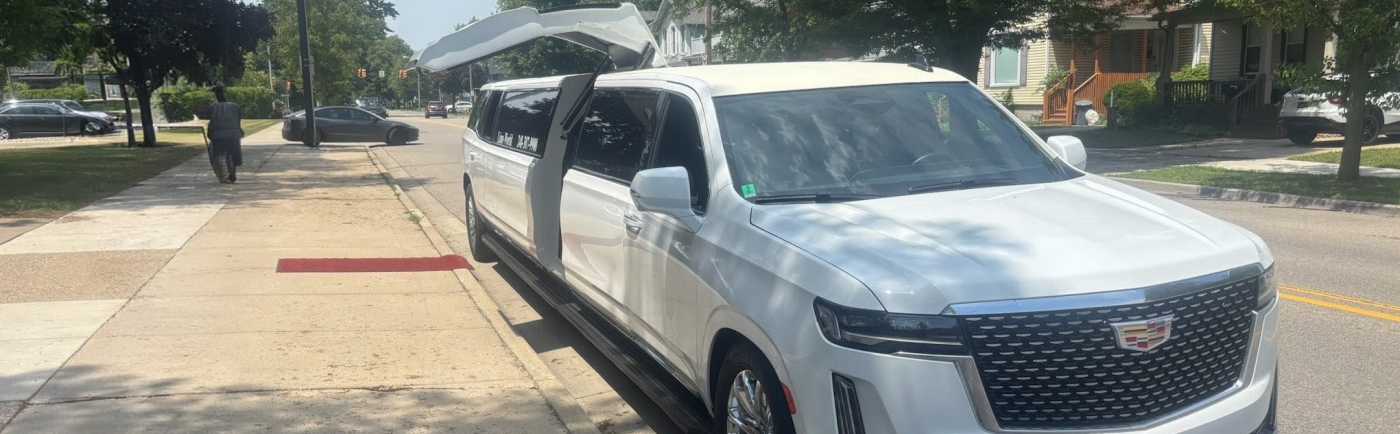
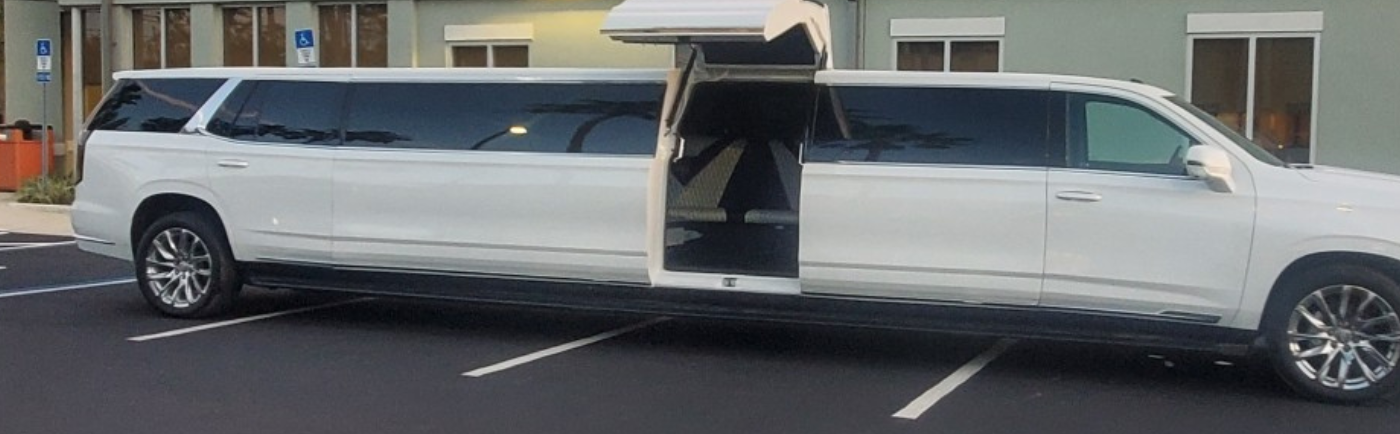
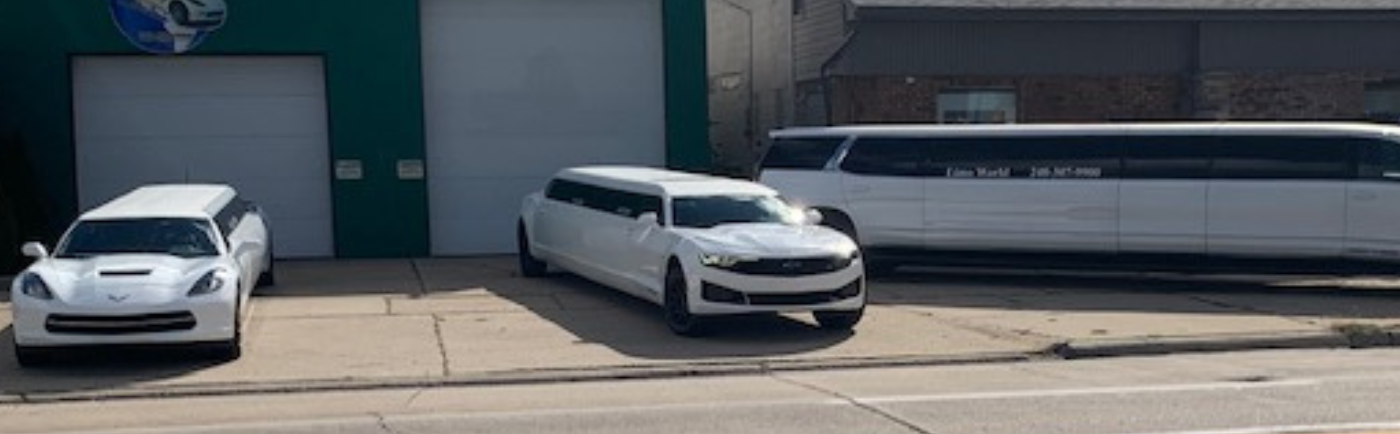
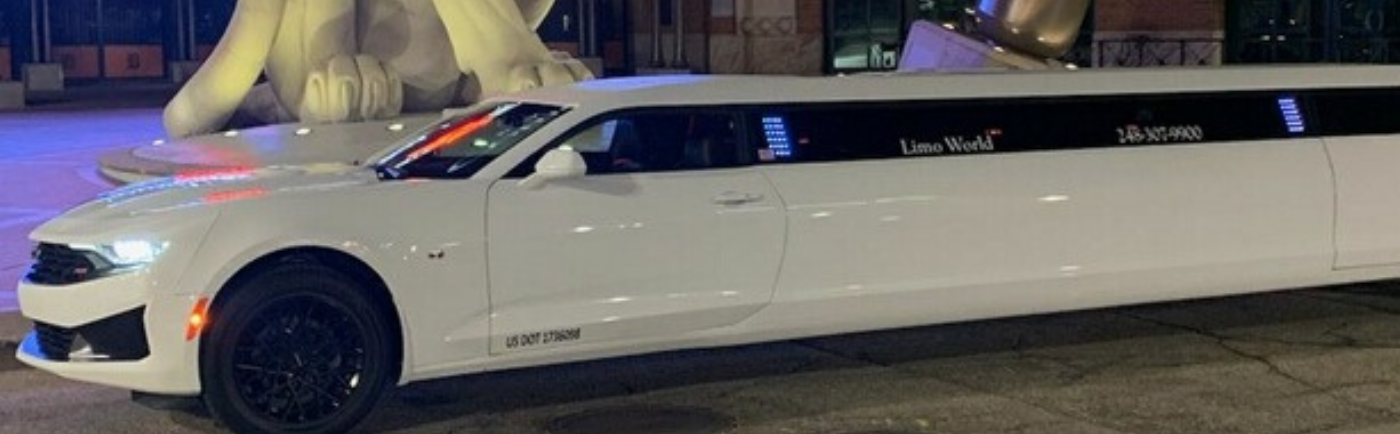
Vehicle selection should reflect both group size and the tone of the retreat. An executive sedan may suit a small, private leadership meeting. A luxury SUV can offer a refined option for a few decision-makers or visiting guests. For a larger team, a limousine or spacious group vehicle may be the better choice when the goal is to keep everyone together and make the trip feel like part of the occasion.
The most expensive option is not automatically the best fit. A vehicle should be selected for comfort, passenger capacity, and the experience you want to create. For example, a formal client dinner may call for a more elevated arrival, while a casual team-building afternoon may place greater value on group capacity and flexible scheduling.
A Limo World approaches these reservations as planned occasions, with attention to the vehicle experience, professional presentation, and dependable timing that business groups expect.
Make the Ride Part of the Retreat Experience
The travel time does not need to be filled with activities to be valuable. In fact, overscheduling every minute can undercut the purpose of a retreat. A comfortable ride offers a natural transition between the workday and the event, between one agenda item and the next, or between a focused discussion and a more social evening.
If the group needs to prepare, the ride can provide a quiet setting for reviewing notes or confirming plans. If the retreat is intended to strengthen relationships, it gives colleagues a chance to talk without the formality of a conference room. If guests have had a full day, it gives them a chance to relax while a professional handles the road.
That is the real value of thoughtful corporate retreat transportation: it protects the schedule while improving the experience around it. When transportation is coordinated in advance, your team can step into the retreat together, leave the driving behind, and give its attention to the people and ideas that brought everyone there.