
An executive roadshow can lose momentum before the first meeting begins. A late vehicle, unclear pickup point, or a guest left waiting outside a downtown office sends the wrong message. Knowing how to arrange executive roadshows means treating transportation as part of the business presentation – not an afterthought once the meetings are booked.
For executives, clients, investors, and visiting leadership teams, the ride between appointments is valuable time. It is a chance to review notes, take a private call, reset after a difficult conversation, or simply arrive composed. A well-managed chauffeured itinerary protects that time while giving every stop a polished, coordinated feel.
Start With the Purpose and Pace of the Roadshow
The right transportation plan begins with the reason for the roadshow. A sales leadership team visiting several client offices has different needs from an executive group touring facilities, meeting investors, or attending a series of hosted events. Define who is traveling, which meetings matter most, and where flexibility is essential before selecting vehicles or setting pickup times.
Build the itinerary around the actual meeting schedule, then add realistic travel windows. Do not schedule every transition according to a map estimate alone. Executives may need several minutes to exit a building, greet a host, finish a conversation, collect materials, or move through a busy lobby. Downtown traffic, construction, weather, and venue access can also change a route quickly.
A practical schedule includes a modest buffer between critical stops. This does not mean adding unnecessary idle time. It means protecting the moments where a delay would be visible: the first client meeting, a presentation with a fixed start time, or an evening dinner reservation. If one appointment runs long, the chauffeur and coordinator should have enough room to adjust without putting the rest of the day at risk.
How to Arrange Executive Roadshows Around a Clear Itinerary
A transportation provider can deliver better service when the itinerary is specific. Provide the full date, pickup location, all scheduled stops, passenger count, meeting start times, and expected end times. If the group may split up, say so early. One vehicle is ideal when keeping the group together matters; multiple vehicles may be the better choice when executives have separate appointments or different departure times.
For each location, identify the most appropriate pickup and drop-off point. A building may have a main entrance, private drive, loading area, side street, or designated guest entrance. The best point is not always the address listed online. Confirming this detail in advance prevents the awkward last-minute calls that distract a coordinator and leave passengers searching for their ride.
Share the name and mobile number of one day-of contact, along with a backup contact. This person should be authorized to make practical decisions if a meeting shifts, an additional stop is needed, or the group changes vehicles. Too many people texting instructions can create confusion, particularly when a schedule is moving quickly.
Plan for the time between meetings
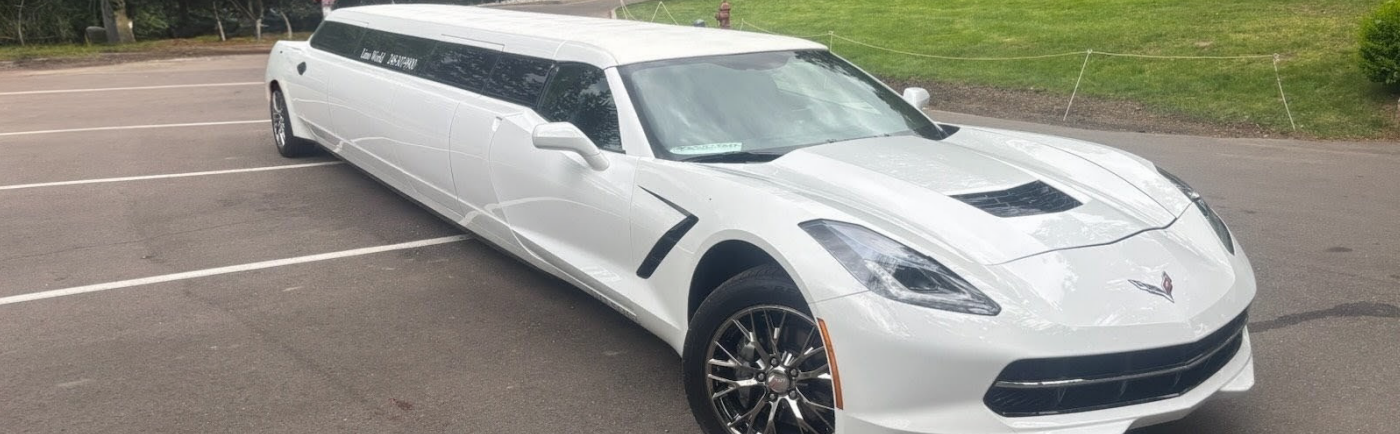
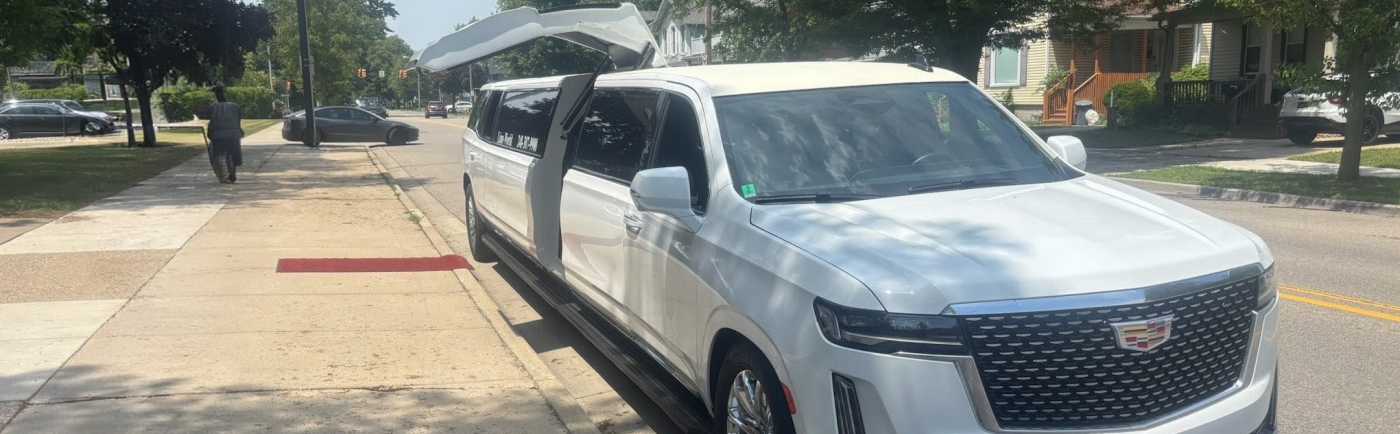
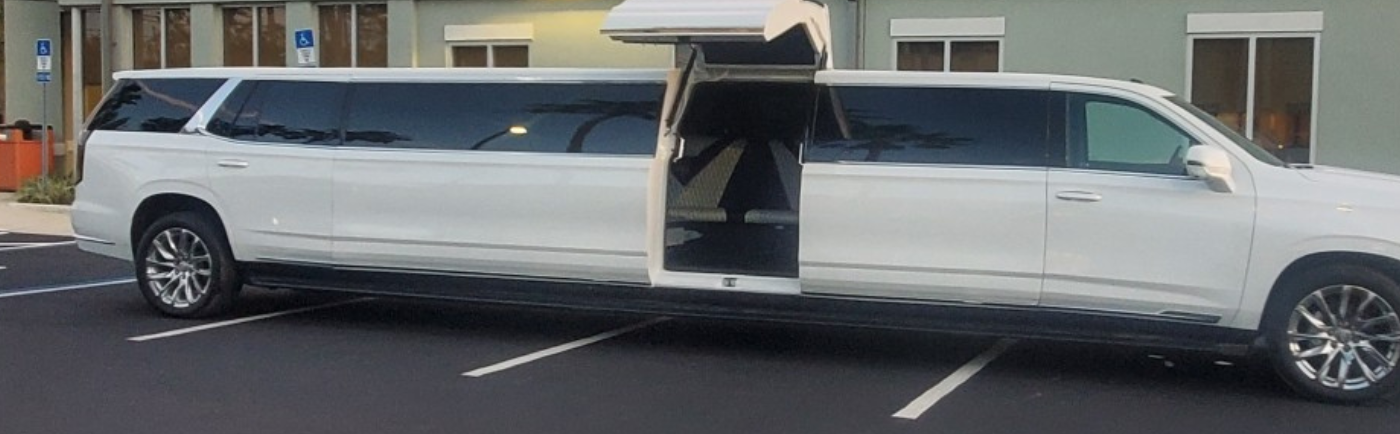
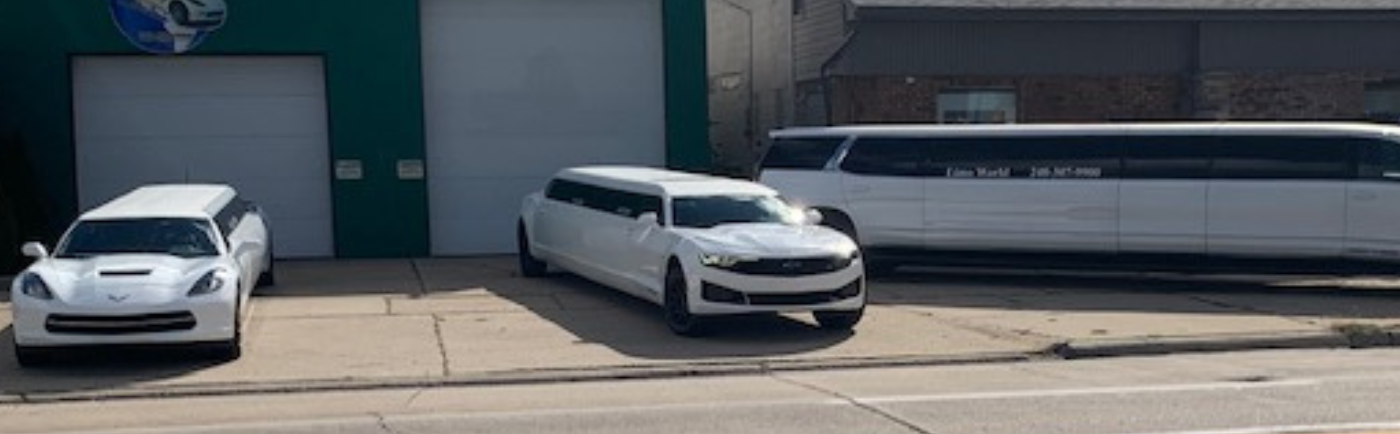
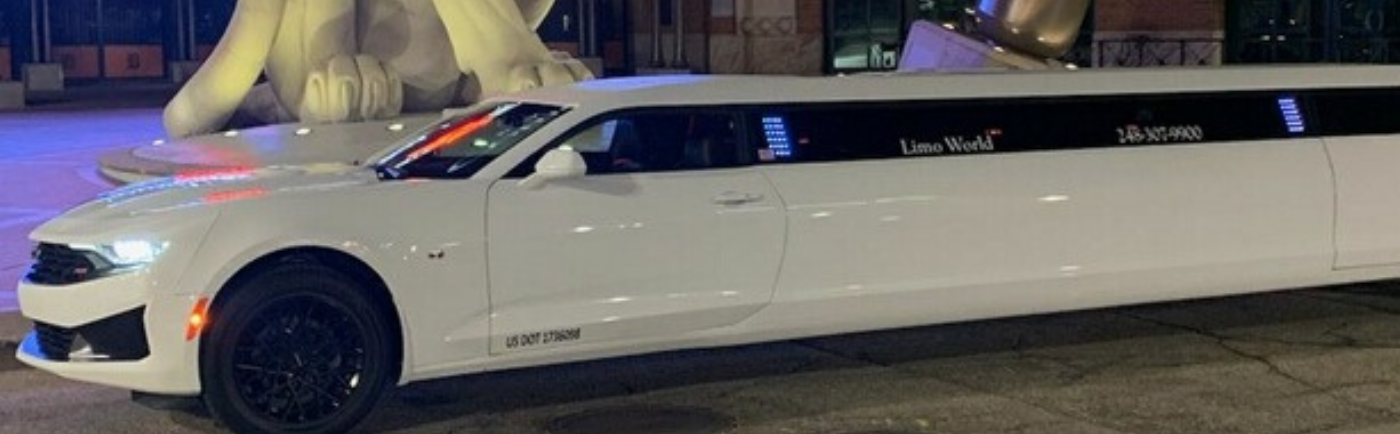
The vehicle should support the way the group will use the day. A smaller executive sedan may suit one or two leaders traveling light. An executive SUV can offer added room for colleagues, presentation materials, and personal items. For a larger delegation, a luxury van, shuttle, or limousine-style vehicle can keep the team together and make coordination easier.
Capacity is more than a seat count. Consider briefcases, sample cases, signage, garment bags, and any materials needed for presentations. Also consider comfort. A tightly packed vehicle may technically fit everyone but can make a long day feel less professional. When client guests are part of the group, giving them enough room to travel comfortably is a worthwhile detail.
Choose a Chauffeured Service That Understands Business Timing
Executive roadshows need more than a vehicle arriving at a stated time. They require a professional chauffeur who is prepared, discreet, familiar with the itinerary, and attentive to changes without becoming intrusive. The service standard should match the importance of the people in the vehicle and the meetings ahead.
Ask how the provider handles multi-stop reservations, vehicle staging, schedule updates, and wait time. A roadshow with three planned appointments may turn into four, while an event-based schedule might require the vehicle to remain nearby for several hours. The right arrangement depends on the day. Point-to-point service can work for a simple, fixed itinerary, while an hourly reservation gives more flexibility when meeting lengths are uncertain.
Hourly service is often the stronger choice for leadership teams, client entertainment, and schedules where discussions may run over. It keeps a dedicated vehicle and chauffeur available rather than requiring a new arrangement at every stop. For a route with firm start and finish times, point-to-point bookings may be more cost-conscious. The key is choosing based on the actual schedule, not just the number of addresses.
In Metro Detroit, where a roadshow may move between Detroit, Troy, Southfield, Birmingham, and nearby business districts, experienced chauffeured transportation can remove much of the coordination burden. Limo World helps planners create reserved transportation schedules that reflect the pace and presentation expected for executive travel.
Prepare Passengers Without Overloading Them
Executives should receive a concise, useful itinerary before the day begins. Include the first pickup time and location, primary stops, expected end time, vehicle details, and the coordinator’s contact information. If there are building-specific instructions, such as entering through a particular door or bringing identification for access, include those details as well.
Avoid sending passengers a dense operations document full of internal notes. They need clarity, not every contingency plan. The coordinator and transportation provider can manage the detailed routing, backup contacts, and timing adjustments behind the scenes.
A simple message the evening before is often helpful, especially for a multi-day roadshow. Confirm the first pickup point and ask passengers to be ready a few minutes early. That small expectation can protect the entire itinerary without making the day feel overly rigid.
Account for Privacy, Presentation, and Guest Experience
Roadshows often involve sensitive discussions. Sales targets, financial plans, negotiations, personnel decisions, and product plans do not belong in a crowded rideshare or a public transit setting. A private chauffeured vehicle gives executives a controlled environment between stops, where conversations can continue with more discretion.
Presentation matters, too. When a client or investor is traveling with your team, the vehicle becomes part of the hosted experience. A clean, well-maintained luxury vehicle and a professional chauffeur communicate care before anyone enters the meeting room. It does not need to be extravagant to be effective. It needs to be appropriate for the audience, the occasion, and the standards your company wants to project.
This is particularly valuable for dinner meetings, site visits, and client entertainment after a full day of appointments. Rather than asking guests to navigate an unfamiliar area, locate parking, or coordinate separate rides, you can keep the group together and focused on the relationship.
Build a Backup Plan Before You Need One
No planner can control traffic, weather, a meeting that runs over, or an executive who needs an unscheduled stop. The goal is not to eliminate every change. It is to decide in advance how changes will be handled.
Confirm whether the vehicle can remain on standby, how additional time is approved, and who receives updates from the chauffeur. If the day includes a high-stakes presentation, consider scheduling a larger buffer before that appointment than before a casual internal meeting. Not every stop carries the same risk, so the schedule should reflect priorities.
Keep a final copy of the itinerary with the day-of coordinator, the lead passenger, and the transportation provider. Any significant change should be communicated through the designated contact. This keeps decisions quick and prevents mixed instructions from reaching the chauffeur.
The strongest executive roadshows feel calm because the planning happened early. Set clear expectations, reserve transportation that fits the group, and leave room for the conversations that cannot be timed to the minute. When the ride is handled professionally, your team can focus on the people waiting at the next stop.